

DENTAL EASY FACE
The DENTAL EASY FACE ruler (DEF) is a mechanical device developed through biometric analysis, adding technological and scientific development. Thus, it enables dental professionals to benefit from static and dynamic analyzes of dentofacial harmony.
With the aid of symmetrically established lines and curves, the professional expands the degree of perception and analysis of the objective factors of aesthetic reference. In this way, the smile components are aligned with the facial structures responsible for building the integral beauty of each person.
DENTAL EASY FACE
The DENTAL EASY FACE ruler (DEF) is a mechanical device developed through biometric analysis, adding technological and scientific development. Thus, it enables dental professionals to benefit from static and dynamic analyzes of dentofacial harmony.
With the aid of symmetrically established lines and curves, the professional expands the degree of perception and analysis of the objective factors of aesthetic reference. In this way, the smile components are aligned with the facial structures responsible for building the integral beauty of each person.
HELPS THE DENTIST TO DETERMINE:
Mesiodistal width of maxillary central incisors
Lip symmetry (smile curvature, lower lip and incisal edge)
Length of upper central incisors
Symmetry of the anterior arrangement
Facial midline and axial tooth inclination
Buccal corridor
WHO ARE WE?
With the evolution of technology in Digital Dentistry, the Dental Digital Solutions was born to provide services, do surgical planning by image exams and do 3D printing, with the aim of provide the best dental solutions to dentists and their patients, through these new technologies.
We are part of the DDS Group, where Dr. João Grossi is the precursor, as a PHD in Implant Dentistry at Dental Design Studio (DDStudio), Master at Dental Design School (DDSchool) and also as an advisor and mentor in digital solutions at Dental Design Solutions (DDSolutions).
We focus in the best solutions
supported by knowledge and technology,
to help surgeons in their planning
thus improving their patient's life.
METHOD OF ITS CLINICAL USE
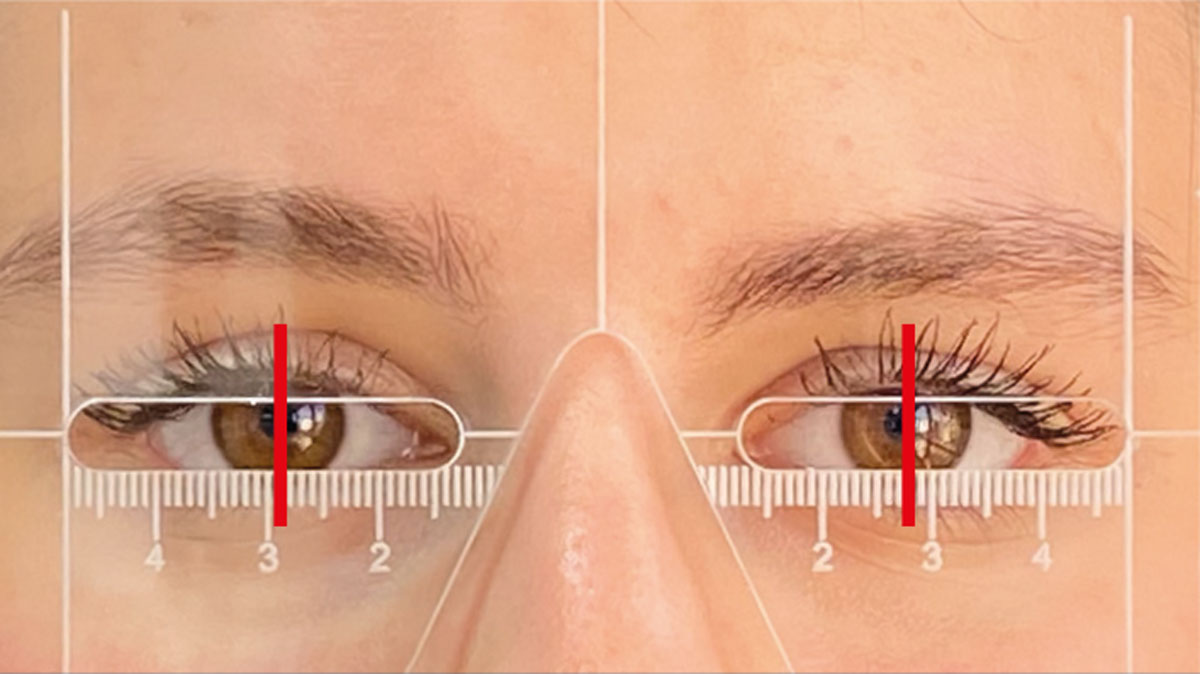
The dentist should be positioned frontally and in the same plane as the patient.
The ruler is centered (facial midline, philtrum and measurements located in the eye region), correctly determining facial symmetry and the horizontal plane (interpupillary line).
NOTE: This item is extremely important.
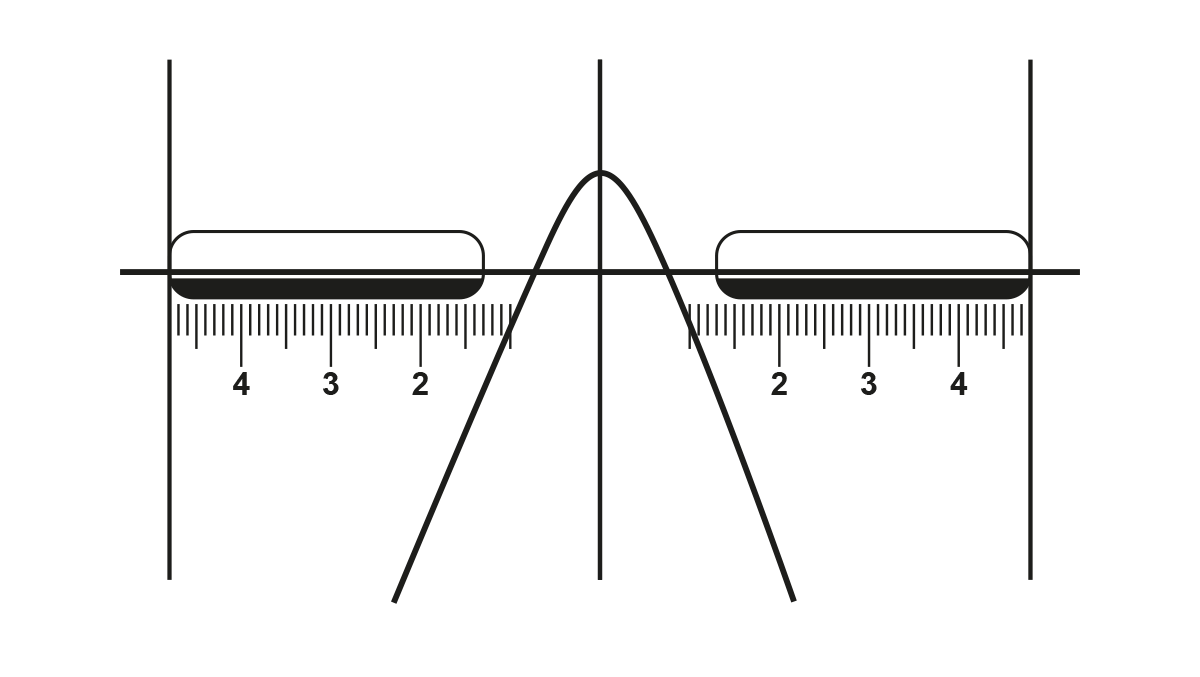
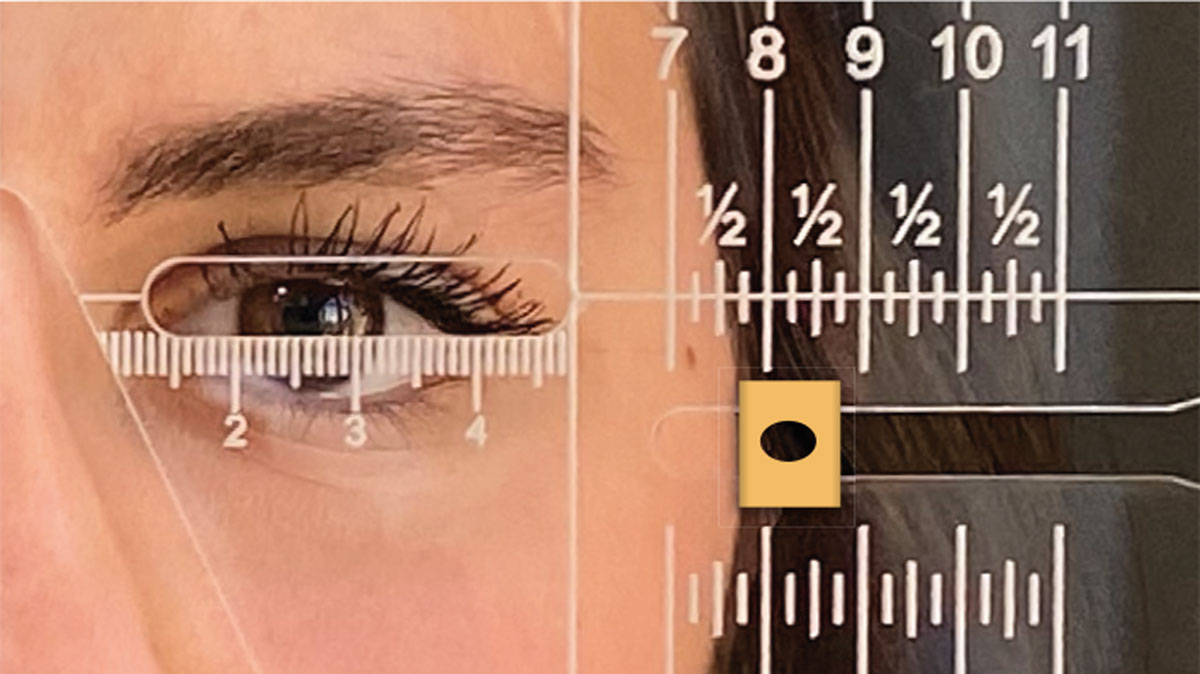
With the ruler positioned correctly (image 1), place the cursor in the lateral opening, sliding it until it touches the face (zygoma), measured in mm, which will correspond to the mesiodistal width of the upper central incisors (ICS).
NOTE: The cursor should be rounded towards the patient's face.
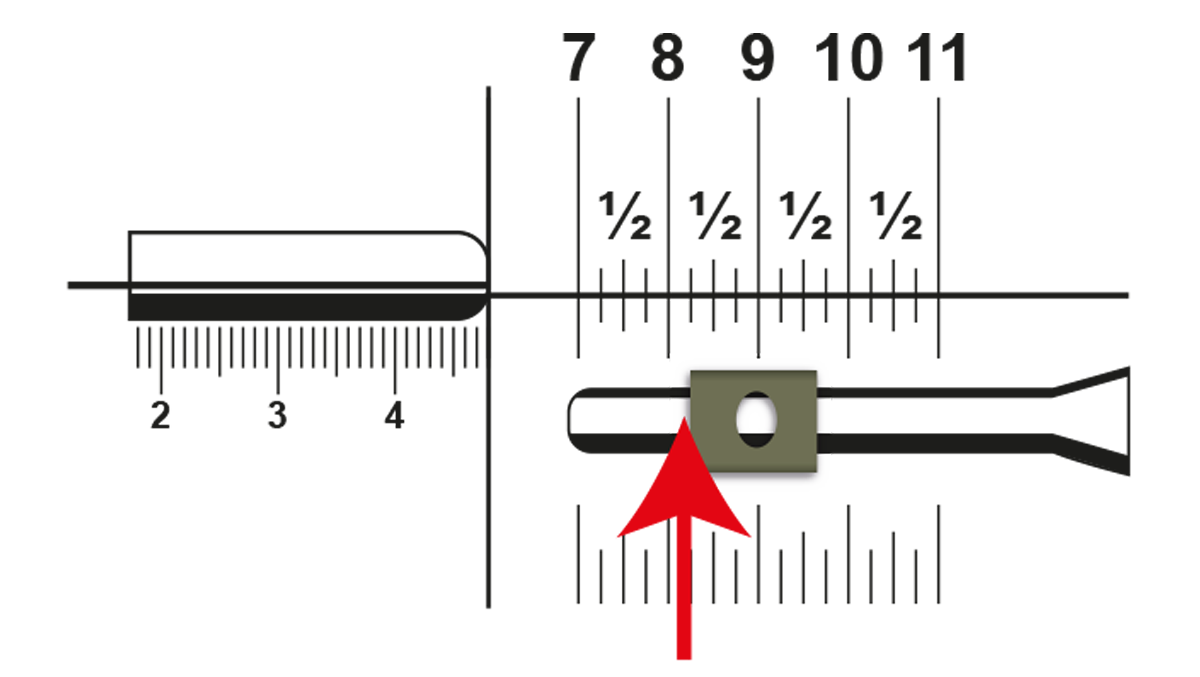
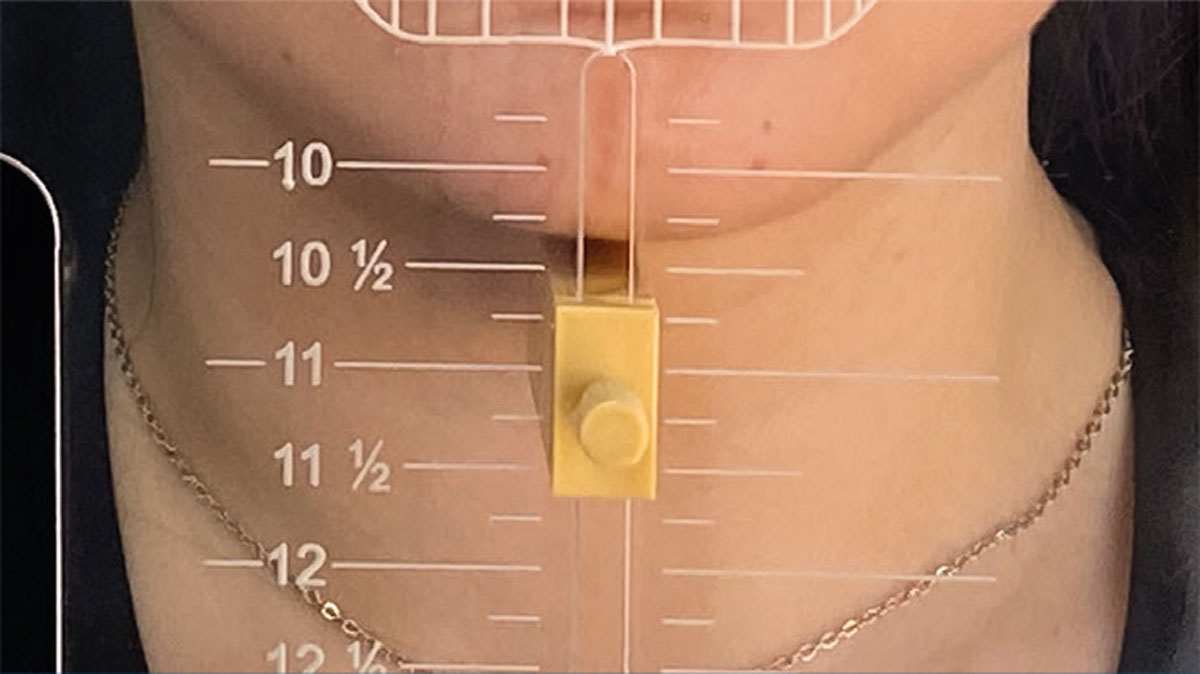
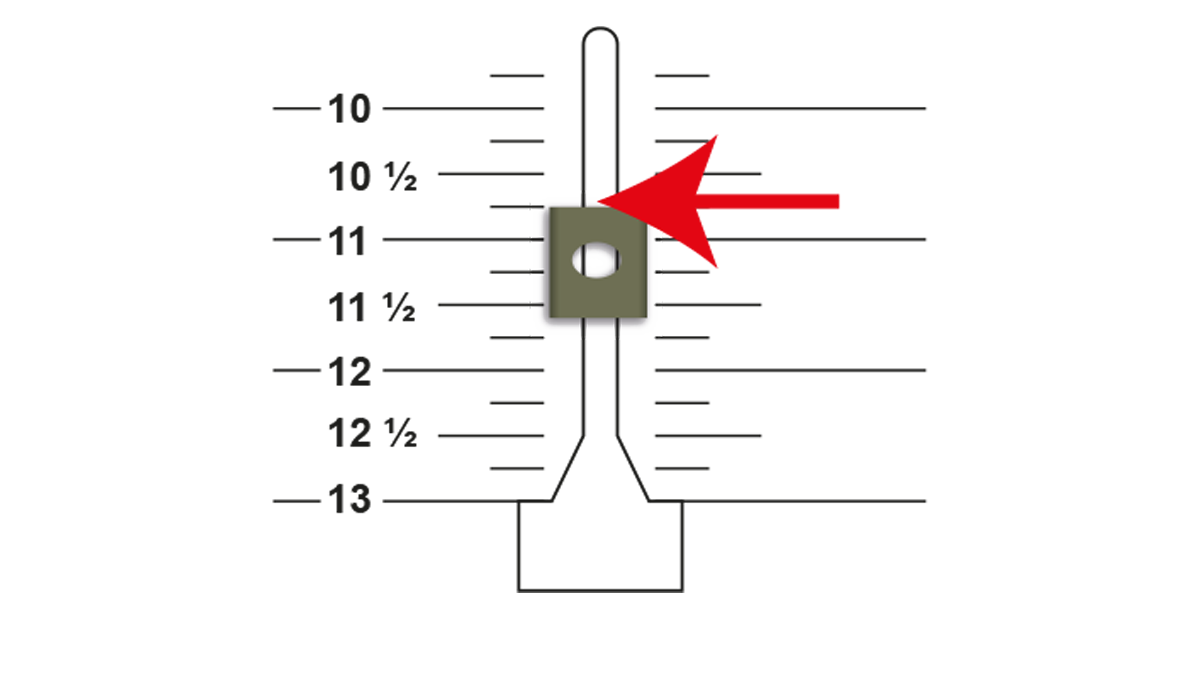
After defining the width of the upper central incisor, without removing the ruler from its correct position, the cursor is placed in the opening corresponding to the chin, sliding until it touches the symphysis (measured in mm from the length of the central incisors).
NOTE: With the height and width of the central incisors determined, it is possible to select the stock teeth to be used (in cases of mucous or implant-supported complete dentures) or to assist the professional in waxing the anterior teeth (in cases of crowns, veneers and fixed prosthesis).
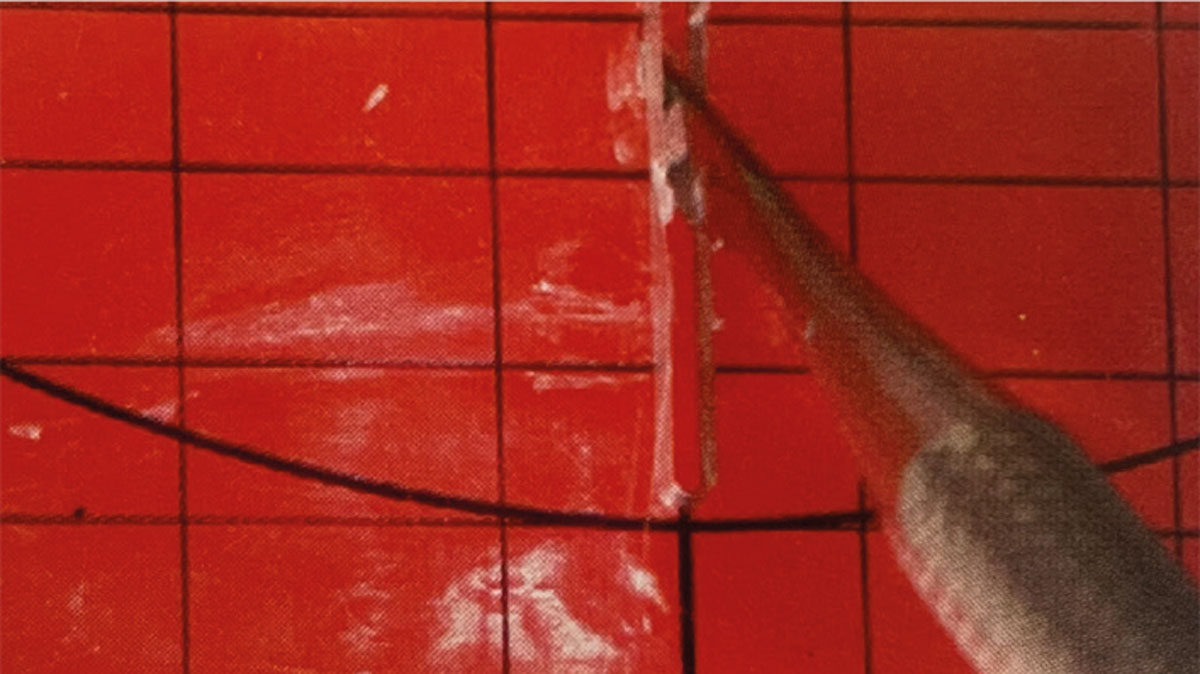
In total edentulous patients, after adjusting the orientation plane (lip support, tooth exposure, smile curve, following the lower lip, anteroposterior curve and DVO), mark the facial midline and the axial inclination of the teeth (perpendicular to the interpupillary line).
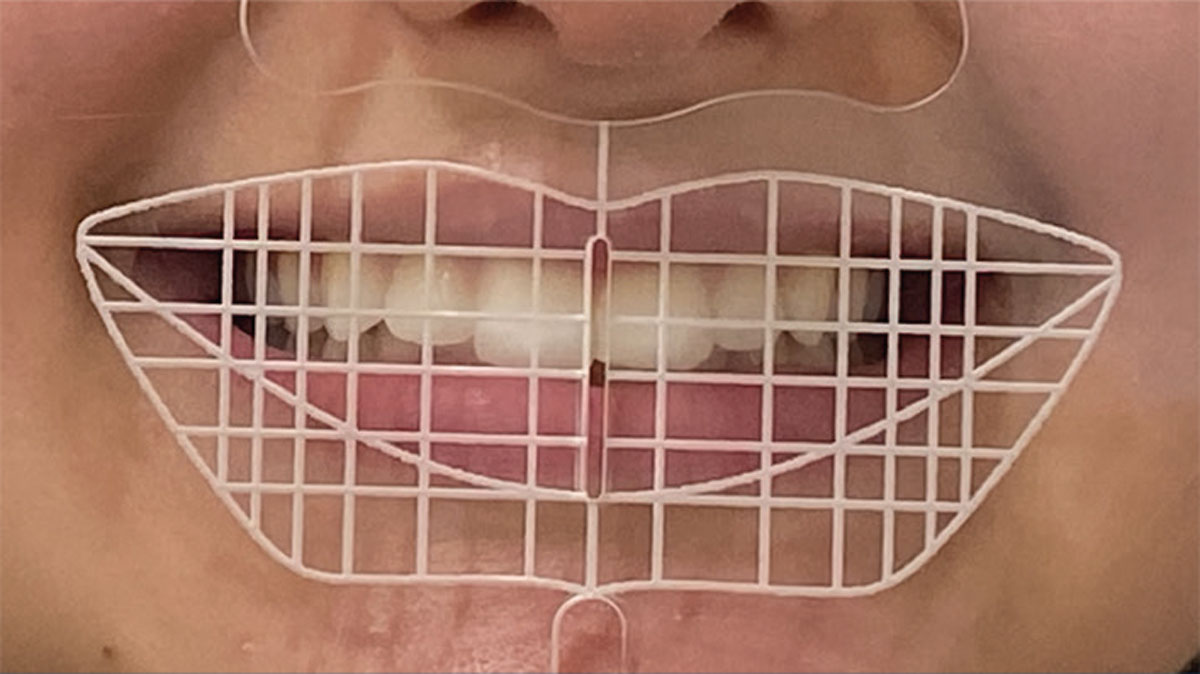
During the testing of teeth in edentulous patients, fixed partial dentures, diagnostic tests, laminate mock-up, unitary elements and orthodontics, it is possible to evaluate: lip symmetry, symmetry of the curvature of the lower lip, incisal edge of the incisors parallel to the interpupillary line , buccal corridor, tooth axis inclination and gingival contour.
METHOD OF ITS CLINICAL USE
The dentist should be positioned frontally and in the same plane as the patient.
The ruler is centered (facial midline, philtrum and measurements located in the eye region), correctly determining facial symmetry and the horizontal plane (interpupillary line).
NOTE: This item is extremely important.
With the ruler positioned correctly (image 1), place the cursor in the lateral opening, sliding it until it touches the face (zygoma), measured in mm, which will correspond to the mesiodistal width of the upper central incisors (ICS).
NOTE: The cursor should be rounded towards the patient's face.
After defining the width of the upper central incisor, without removing the ruler from its correct position, the cursor is placed in the opening corresponding to the chin, sliding until it touches the symphysis (measured in mm from the length of the central incisors).
NOTE: With the height and width of the central incisors determined, it is possible to select the stock teeth to be used (in cases of mucous or implant-supported complete dentures) or to assist the professional in waxing the anterior teeth (in cases of crowns, veneers and fixed prosthesis).
In total edentulous patients, after adjusting the orientation plane (lip support, tooth exposure, smile curve, following the lower lip, anteroposterior curve and DVO), mark the facial midline and the axial inclination of the teeth (perpendicular to the interpupillary line).
During the testing of teeth in edentulous patients, fixed partial dentures, diagnostic tests, laminate mock-up, unitary elements and orthodontics, it is possible to evaluate: lip symmetry, symmetry of the curvature of the lower lip, incisal edge of the incisors parallel to the interpupillary line , buccal corridor, tooth axis inclination and gingival contour.
OBSERVATION
After determining the dimensions of the upper central incisor, use the shape Scales to complement the selection of teeth.
THE AVERAGE WIDTH/LENGTH OF THE CENTRAL INCISOR
To correctly calculate the width from the interpupillary distance, divide it by 7.
To correctly calculate the length from a given width, we can do it in 3 ways:
Width x 1.25 = 80% average width/length.
Largura x 1,38 = 73% largura/comprimento média.
Width x 1.50= 67% average width/length.
MANUAL
See the complete manual with other functions and explanatory video for this facial ruler.
Modelo 1
Papel Fotográfico
Impressão profissional em papel fotográfico com gramatura de 700g/m², mais grosso, laminação Silk (fosca) ou Lustre(brilho) e abertura panorâmica com opções de guarda: preta ou branca.
20 a 80 páginas
Modelo inicial com 20 páginas.
Tamanho
Formatos quadrados nas medidas de 30x30cm ou 21x21cm.
Abertura
Abertura panorâmica de 180°.
Modelo 2
Papel Fotográfico
Impressão profissional em papel couche com gramatura de 390g/m², mais fino, laminação Silk (fosca) ou Lustre(brilho) e abertura panorâmica com opções de guarda: preta ou branca.
20 a 120 páginas
Modelo inicial com 20 páginas.
Tamanho
Formatos quadrados nas medidas de 30x30cm ou 21x21cm.
Abertura
Abertura panorâmica de 180°.
MANUAL
See the complete manual with other functions and explanatory video for this facial ruler.
Modelo 1
Papel Fotográfico
Impressão profissional em papel fotográfico com gramatura de 700g/m², mais grosso, laminação Silk (fosca) ou Lustre(brilho) e abertura panorâmica com opções de guarda: preta ou branca.
20 a 80 páginas
Modelo inicial com 20 páginas.
Tamanho
Formatos quadrados nas medidas de 30x30cm ou 21x21cm.
Abertura
Abertura panorâmica de 180°.
Modelo 2
Papel Fotográfico
Impressão profissional em papel couche com gramatura de 390g/m², mais fino, laminação Silk (fosca) ou Lustre(brilho) e abertura panorâmica com opções de guarda: preta ou branca.
20 a 120 páginas
Modelo inicial com 20 páginas.
Tamanho
Formatos quadrados nas medidas de 30x30cm ou 21x21cm.
Abertura
Abertura panorâmica de 180°.
CONTACT US

+55 41-99920-3299
contato@dentaldigitalsolutions.com.br
Rua Tibagi, 294 - Room 1606 – Centro
Curitiba – PR - CEP 80060-110
CONTACT US
+55 41-99920-3299
contato@dentaldigitalsolutions.com.br
Rua Tibagi, 294 - Room 1606 – Centro
Curitiba – PR - CEP 80060-110